
AP Computer Science Principles
What AP CSP covers, how its two-part assessment works, the five big ideas behind it, and how to practice your way to a 5.
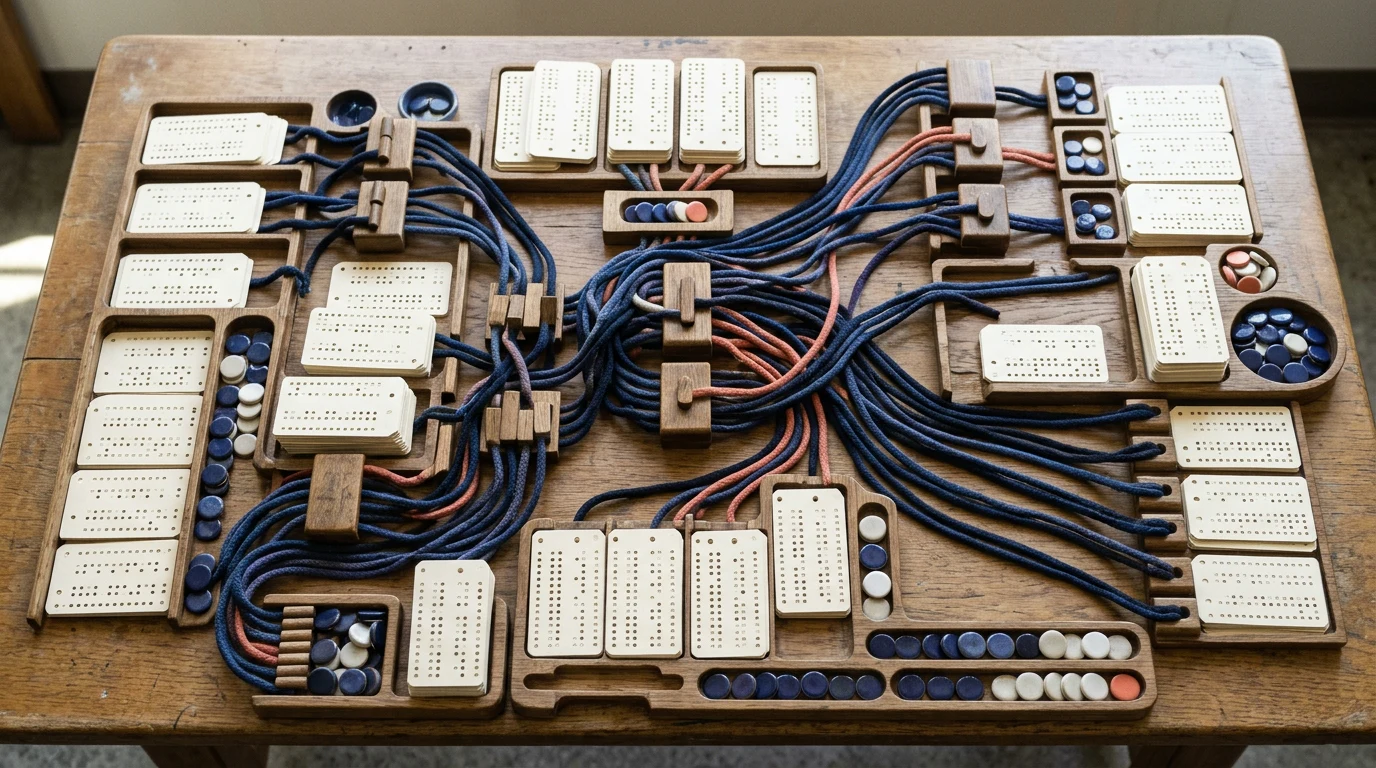
AP Computer Science Principles is a college-level introduction to computing built around five big ideas, from creative development to the impact of computing. It's assessed two ways: an end-of-course multiple-choice exam of about 70 questions in roughly 2 hours, plus the Create performance task — a programming project you build during the year and submit. The two combine into a single score from 1 to 5, and many colleges grant credit for a 3 or higher — confirm your target college's policy.
Two parts, five big ideas
Unlike most AP courses, CSP has no traditional free-response section. Your score comes from a multiple-choice exam taken in May plus a programming project you build across the year.
~70 questions, ~2 hours.
Single- and multiple-select questions covering all five big ideas, including reading the exam's text-based and block-based pseudocode, tracing algorithms, and reasoning about data and the effects of computing. This section carries most of your score.
A program you build & submit.
The Create performance task replaces a free-response section: you design and code a program of your choice during the year, then submit your code, a short video of it running, and written responses through the College Board's digital portfolio by the spring deadline.
One 1–5 score.
The exam and the Create task combine into a single 1–5, with the multiple-choice exam weighted more heavily. A 3 is "qualified"; a 4 or 5 is strong. Credit policies are set by each college — confirm yours.
Practice it, big idea by big idea.
Reading about computing isn't the same as answering AP-style questions and learning from every miss. Start free and practice by big idea.
What AP CSP covers
- Big Idea 1 — Creative Development
- Big Idea 2 — Data
- Big Idea 3 — Algorithms and Programming
- Big Idea 4 — Computer Systems and Networks
- Big Idea 5 — Impact of Computing
How to study for AP CSP
- Practice tracing algorithms and reading both text and block pseudocode.
- Start the Create task early and iterate — don't leave it to the deadline.
- Know the data, networks and impact-of-computing ideas, not just code.
- Review every miss until the concept, not just the answer, is clear.
- Sit timed multiple-choice sets to build pace and stamina.
AP Computer Science Principles questions
What's on the AP Computer Science Principles exam?
How is AP Computer Science Principles scored?
What is a good AP Computer Science Principles score?
How hard is AP Computer Science Principles?
When is the AP Computer Science Principles exam?
Keep exploring AP.
One plan for your whole testing season.
PrepScore’s full practice covers the SAT, the ACT and select AP subjects — with an explanation on every question.