
European, U.S. and World History

AP history changes for 2027: fewer choices, clearer evidence tasks

All three AP history exams adopt the same core update: every SAQ has source material, all three SAQs are required, and the LEQ becomes one broad prompt.

Starting in May 2027, AP European History, AP U.S. History and AP World History: Modern require all three sourced SAQs. Students answer one broad LEQ instead of choosing among separate prompts, and the DBQ may draw from a wider chronological range. Course content, MCQs and free-response scoring rubrics do not change.
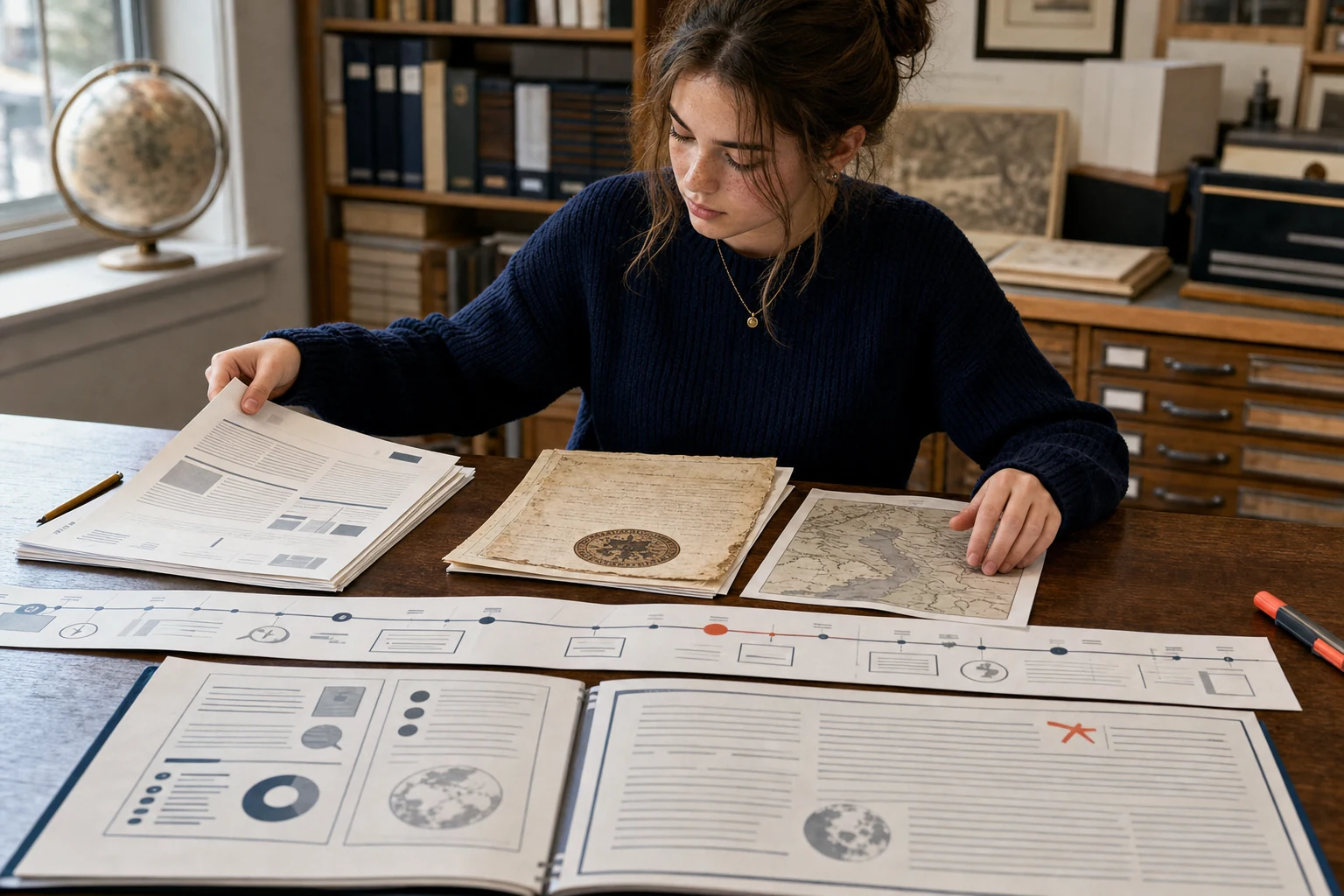
An American high school history seminar table where a student organizes three different source packets, a broad essay folio, and a long chronological document ribbon
3 SAQsEvery question includes source material and every question is required.
1 LEQOne broad prompt replaces the old prompt-choice pattern.
Wider DBQDocuments can span more of the course chronology.
Same rubricsFRQ point criteria and MCQs remain unchanged.
Before and after

The 2027 free-response task map.

TaskMay 2027 formatWhat to practiceUnchanged scoring demand
SAQ 1One or more secondary text sourcesRead a historian's claim, then answer directly with precise evidenceAnswer each part; explain rather than list
SAQ 2A primary text sourcePlace voice, purpose and context before choosing evidenceUse course knowledge beyond copying the source
SAQ 3A primary or secondary non-text sourceInterpret maps, images, charts or material evidenceConnect the source to a historical development
LEQOne broad prompt with an orienting statementCreate your own defensible route through the promptThesis, context, evidence and complex understanding
DBQA wider chronological rangeRetrieve evidence across units, not only the nearest chapterThe DBQ rubric and evidence expectations
Study implication

Choice moves inside the reasoning.

The new LEQ removes the old strategy of scanning several narrow prompts and selecting the safest topic. The flexibility now comes from a broad prompt: students choose the examples, periods and line of reasoning that make the strongest argument.

  1. Build evidence banks by historical process.Organize examples around causation, comparison and continuity rather than memorizing isolated facts.
  2. Practice three source types in one sitting.A historian's claim, a primary text and a visual source require different first reads.
  3. Use cumulative DBQ retrieval.Weekly practice should keep earlier periods available after the class moves on.
A weekly practice loop

Train the three changes without adding empty hours.

Monday

Three-source SAQ sprint

One secondary text, one primary text and one non-text source. Answer every part, then review whether each response used outside knowledge.

Wednesday

Broad LEQ outline

Choose a defensible claim, two specific pieces of evidence and one complexity move before writing full prose.

Weekend

Cumulative DBQ evidence map

Place each document on a course timeline and add one relevant example from outside the set.

Response method

How to read each new source before writing.

The source type changes the first question you ask, but every response still needs a direct answer and relevant course knowledge.

Secondary text source

Identify the historian's central claim and the evidence or interpretation behind it. Then answer the SAQ prompt rather than summarizing the passage. Bring in a precise event, policy, group or process from the relevant period to support the response.

Primary text source

Establish who created the source, for whom and under what conditions. Purpose and audience help explain why the source takes its position. Use that context only when it advances the specific task; avoid a generic sourcing checklist detached from the answer.

Non-text source

Start with observable evidence: direction, scale, symbols, comparison or change. State what the image, map or chart demonstrates before linking it to a historical development. Do not infer details the visual does not support.

Broad LEQ prompt

Translate the broad task into a defensible claim with a clear scope. Choose evidence you can explain, not the largest number of memorized examples. An outline should already contain context, two specific examples and a reasoning structure before prose begins.

Wider DBQ chronology

Place each document on a course timeline and ask what earlier or later development makes it meaningful. Keep cumulative retrieval active across the year so outside evidence is available beyond the most recently studied unit.

Rubric review

Because the scoring rubrics stay the same, feedback should still identify the exact point earned or missed. Format familiarity helps students reach the evidence, but it does not replace thesis quality, contextualization, document use and historical reasoning.

Questions students ask

What to know before you plan.

Which AP history exams change in 2027?
AP European History, AP United States History and AP World History: Modern use the updated format beginning in May 2027.
Do students answer all three SAQs?
Yes. Students receive three sourced short-answer questions and must answer all three.
Does the LEQ still offer a choice of prompts?
Students receive one broad LEQ prompt. They create their own defensible route and choose the evidence that supports it.
Does the DBQ rubric change?
No. The free-response scoring rubrics remain unchanged, although the DBQ can cover a wider chronological range.
Does course content change?
No. College Board says course content and skills remain unchanged, as does the multiple-choice section.
Keep planning

Apply the change to the history course you take.

Fact basisCollege Board AP History Exam Updates effective May 2027. The named official publication defines the factual scope used here; students should match any time-sensitive rule to their exact exam administration or college entry term.

Practice sources, claims and evidence in the new sequence.

Use subject-specific questions and review each response against the same rubric that will still apply in 2027.